
Feeling drained despite a full night’s sleep is a common complaint in 2026. Between remote work, screen fatigue, and round-the-clock demands, many people want reliable, science-backed ways to improve daytime energy, focus, and resilience. Supplements can be a useful tool when combined with good sleep, nutrition, and movement. This guide highlights the best supplements for energy in 2026, explains how they work, offers practical dosing and stacking tips, and flags safety considerations so you can make smarter choices.
Top Overall Energy Supplements (My Proven Picks)
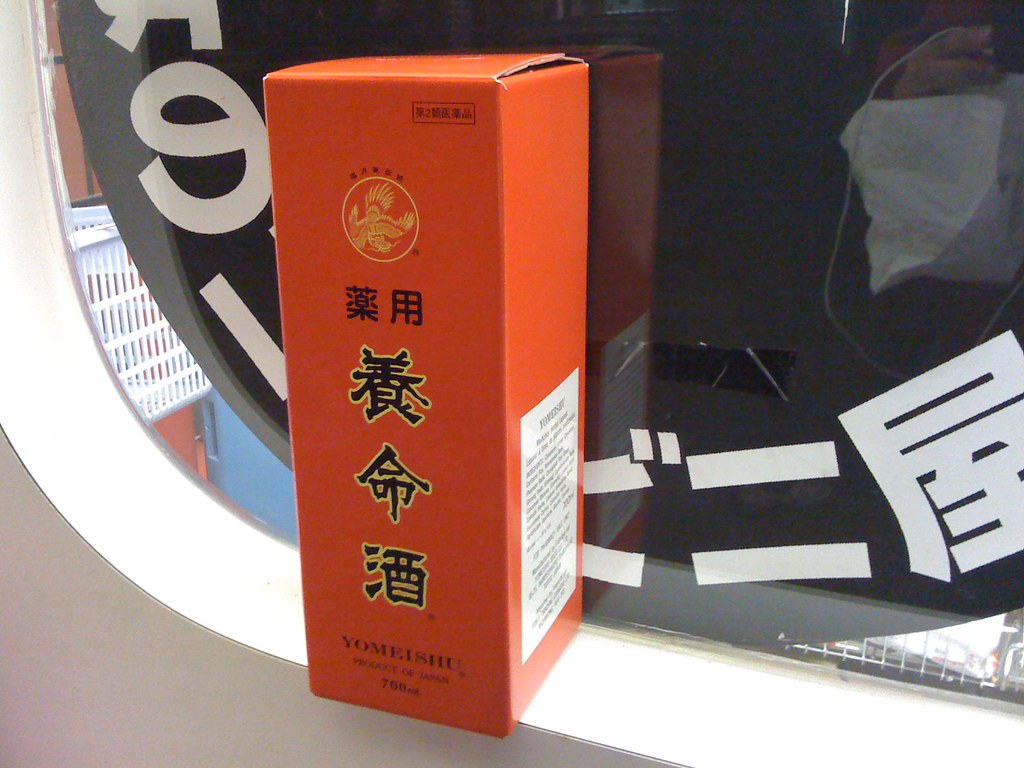
These supplements have broad evidence for improving cellular energy, alertness, or exercise performance and are versatile for many people:
- Caffeine + L-theanine — Caffeine reliably boosts alertness. When paired with L-theanine (100–200 mg), it reduces jitteriness and improves focus for many users. Typical effective caffeine doses range from 50–200 mg.
- Creatine monohydrate — Known for strength gains, creatine also supports brain energy and short-burst physical performance. Common maintenance dose: 3–5 g daily.
- CoQ10 and PQQ — Both support mitochondrial function. CoQ10 (ubiquinone or ubiquinol) at 100–300 mg and PQQ at 10–20 mg can be helpful for older adults or anyone with fatigue related to mitochondrial inefficiency.
- Nicotinamide riboside (NR) / NMN — NAD+ precursors that have gained traction for cellular energy and metabolic support. Typical NR doses in research are 250–500 mg daily; NMN dosing varies but often 250–500 mg.
Nootropics for Focus and Cognitive Energy
When mental fog is the core problem, targeted nootropics can sharpen attention without overstimulating. In 2026, the most useful, well-studied options include:
- Citicoline (CDP-choline) — Supports acetylcholine production and attention. Typical dose: 250–500 mg/day.
- Rhodiola rosea — An adaptogen with evidence for reducing fatigue and improving mental performance under stress. Standardized extracts (3% rosavins, 1% salidroside) at 200–400 mg daily are common.
- Noopept and Modafinil-like alternatives — Prescription stimulants (like modafinil) work for severe cases but require medical supervision. Over-the-counter nootropics such as low-dose Noopept are used by some; approach with caution and consult a clinician.
Adaptogens for Sustained Energy and Stress Resilience

Adaptogens help the body maintain balance under chronic stress, supporting steadier energy levels rather than spikes. Leading choices include:
- Ashwagandha (Withania somnifera) — Shown to reduce stress and improve sleep quality in many trials; can indirectly enhance daytime energy. Typical dose: 300–600 mg of a standardized extract daily.
- Panax ginseng — Improves stamina and cognitive function in some studies. Doses vary by extract; standardized products often provide 200–400 mg.
- Schisandra and Eleuthero — Used traditionally for endurance and recovery; evidence is mixed but they can complement other strategies.
Vitamins & Minerals That Power Energy Production
Micronutrient deficiencies are a common, reversible cause of low energy. Simple testing and targeted supplementation can yield big benefits:
- Vitamin B12 — Essential for red blood cell production and nerve health. Supplementation is crucial for vegans and older adults. Typical oral doses: 500–2,000 mcg weekly or daily lower doses; injections are used when deficiency is severe.
- Iron — Iron deficiency (with or without anemia) causes fatigue. Confirm deficiency with labs before supplementing; dosing and form depend on levels and tolerance.
- Vitamin D — Low vitamin D is linked to fatigue and low mood. Common maintenance dosing: 1,000–2,000 IU/day, or higher when deficient under clinician guidance.
- Magnesium — Supports energy metabolism and sleep. Magnesium glycinate or citrate at 200–400 mg at night can improve recovery and reduce daytime tiredness.
- Omega-3s — Beneficial for brain health and sustained cognitive energy. Aim for combined EPA+DHA of 500–1,000 mg daily for general support.
Practical Stacking and Dosage Guidelines
Combining supplements thoughtfully optimizes benefits and minimizes side effects. Here are practical, evidence-informed stacks for common needs:
- Morning focus stack: Caffeine (50–100 mg) + L-theanine (100–200 mg) + citicoline (250 mg).
- Sustained day energy: Creatine (5 g) + CoQ10 (100–200 mg) + PQQ (10 mg) + a multivitamin with B-complex.
- Stress-related fatigue: Ashwagandha (300–600 mg) + Rhodiola (200 mg), taken separate from heavy stimulants.
Start with low doses, add one product at a time, and track effects for 1–4 weeks. Always account for caffeine intake from other sources.
Safety, Timing, and What to Watch For
Supplements help but aren’t magic. Safety first: check for drug interactions (especially with blood thinners, antidepressants, thyroid meds), avoid taking stimulants late in the day, and prioritize lab tests for suspected deficiencies. Pregnant or breastfeeding people and those with chronic conditions should consult a clinician before starting new supplements.
- Timing: stimulants and nootropics in the morning; adaptogens can be morning or midday; magnesium at night for sleep and recovery.
- Side effects: caffeine can cause anxiety, palpitations, and sleep disruption; iron can cause gastrointestinal upset; high-dose fat-soluble vitamins can accumulate.
- Quality: choose third-party-tested brands (USP, NSF, or independent lab testing) and look for clear ingredient lists and standardized extracts.
As of 2026, personalized approaches including wearables, metabolic testing, and clinician-guided NAD+ precursor use are more accessible; consider a targeted plan rather than one-size-fits-all supplementation.
Conclusion
Boosting energy in 2026 is best achieved with a combined strategy: prioritize sleep, nutrition, movement, and targeted supplementation. Top evidence-backed picks include caffeine + L-theanine for immediate focus, creatine and mitochondrial supports (CoQ10, PQQ, NR/NMN) for cellular energy, adaptogens like rhodiola and ashwagandha for stress-related fatigue, and correcting vitamin/mineral deficiencies for foundational support. Start low, monitor effects, and consult a healthcare professional for personalized guidance—especially if you have medical conditions or take medications. With the right choices, supplements can be a safe, effective part of your toolkit to regain focus and stamina.
Subscribe to Our Newsletter
Get the latest articles on Tech, Finance & more delivered to your inbox. No spam, ever.
We respect your privacy. Unsubscribe anytime.

About the Author
World Daily Editorial Team
The World Daily Editorial Team covers global news, travel, technology, finance, and health. Our writers research and curate the most relevant stories from around the world to keep you informed and inspired.