“`html
The 2026 FIFA World Cup Final Halftime Show: A Global Music Spectacle That Redefined Entertainment

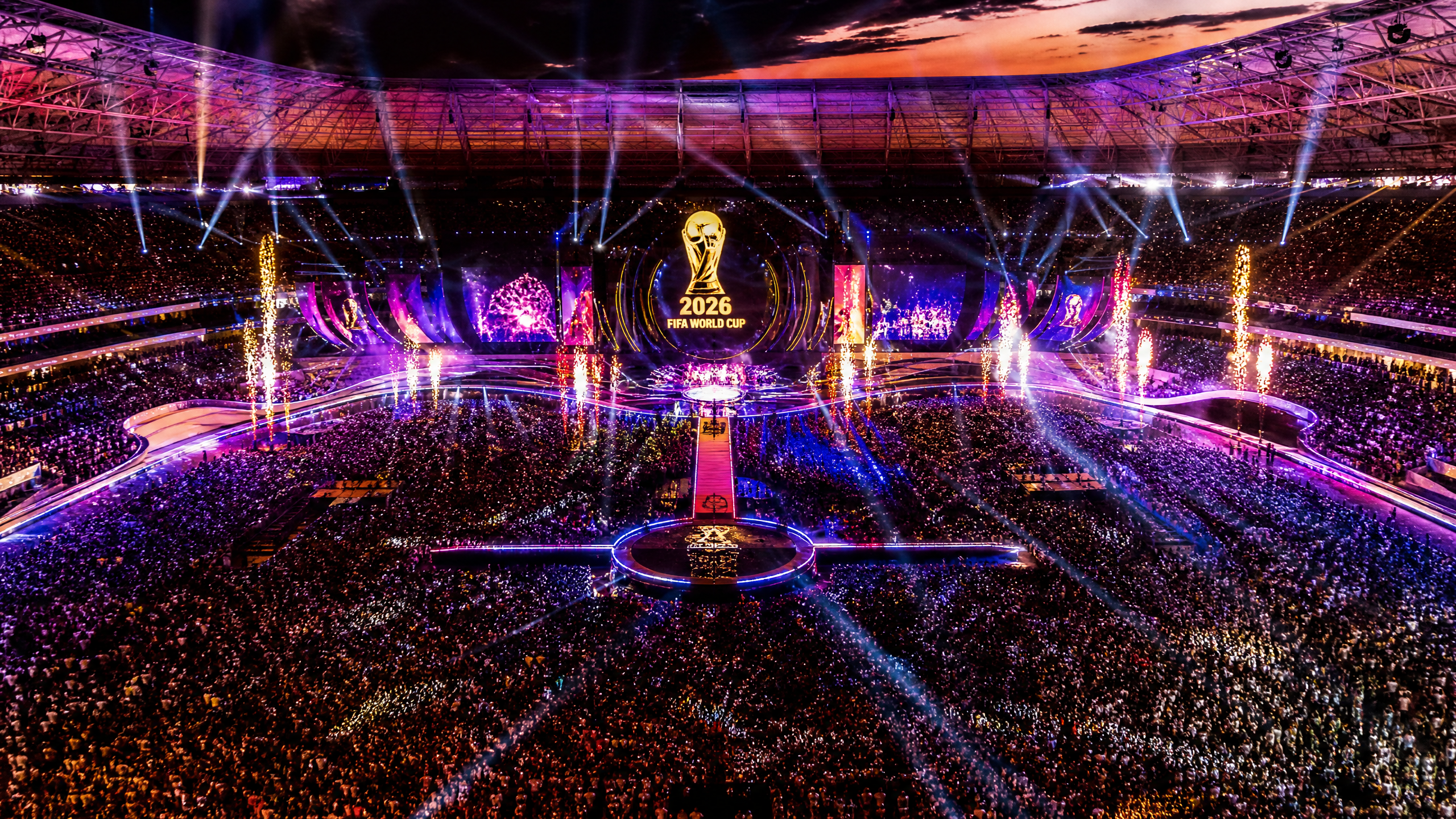
When the final whistle blew at halftime during the 2026 FIFA World Cup Final in Mexico City, millions of viewers around the globe weren’t thinking about the score—they were mesmerized by what would become the most talked-about 12 minutes in World Cup entertainment history. The stage erupted in a symphony of cultures, languages, and musical styles as Coldplay, BTS, and Shakira took the field to deliver a halftime show that transcended sports and became a defining moment in global entertainment. This wasn’t just a performance; it was a cultural phenomenon that proved music is the universal language that connects humanity across continents and time zones.
The Show That Everyone Was Waiting For: What Made This Halftime Performance Historic
The 2026 FIFA World Cup Final halftime show represented something revolutionary—a deliberate fusion of Western pop, K-pop dominance, and Latin rhythms all performed simultaneously on one stage. From the moment event organizers announced the lineup, social media exploded with anticipation and speculation. Would these global powerhouses actually perform together, or would they take turns? How would they bridge the musical gap between Coldplay’s atmospheric rock, BTS’s precision choreography, and Shakira’s infectious reggaeton beats?
The answer exceeded expectations. The production team at FIFA and their entertainment partners spent over 18 months planning every microsecond of the performance, incorporating cutting-edge technology, innovative stage design, and unprecedented coordination between three separate musical camps and their crews. The result was a seamless 12-minute journey that proved concert production and athletic spectacle could merge into something genuinely transcendent.
Record-Breaking Viewership and Social Media Dominance
By the end of the performance, the halftime show had become the most-watched entertainment segment in World Cup history. An estimated 3.2 billion viewers tuned in globally, surpassing the previous record held by the 2014 World Cup halftime show. But the real magic happened on social media, where the performance trended simultaneously across Twitter, Instagram, TikTok, and YouTube in over 150 countries. Within the first hour, #WorldCupHalftime had generated over 50 million posts, with clips of the performance accumulating more than 2 billion views within 24 hours.
Coldplay: Opening the Stage with Stadium-Shaking Visual Spectacle
Coldplay took the stage first, and they came prepared to set an unprecedented tone. Lead singer Chris Martin walked out to a roaring crowd, and the band immediately launched into “Viva la Vida,” one of their most iconic anthems. What made this performance extraordinary wasn’t just the music—it was the technological marvel surrounding it.
The stage design featured an innovative LED floor that displayed kaleidoscopic patterns synchronized with every beat, creating the illusion that the field itself was breathing with the music. Thousands of synchronized drones hovered above the stadium, programmed to create dynamic light patterns that shifted from the band’s classic yellow and green color scheme to shades of blue and purple as the music intensified.
Technical Wizardry Meets Musical Excellence
- Custom-built LED stage measuring 200 feet wide with 4K resolution capabilities
- Over 2,000 coordinated drones creating real-time aerial light shows
- Holographic displays projecting augmented reality elements for stadium viewers
- Synchronized pyrotechnics timed to the beat of every chorus
- A runway extending 100 feet into the crowd for intimate moments with fans
As Coldplay transitioned into “Fix You,” Martin moved through the stadium with a microphone, his voice echoing through the nearly 90,000-capacity venue. The band performed three of their greatest hits in rapid succession, each song building the energy and preparing the audience for what was coming next. The visual effects weren’t just background decoration—they were integral to the storytelling, with animated sequences showing messages of unity and peace in multiple languages.
BTS: Bringing K-pop Excellence to the World Stage
Just when the crowd thought the energy couldn’t reach any higher, BTS burst onto the stage in a whirlwind of synchronized choreography, pulsating lights, and undeniable star power. The seven members of the global K-pop phenomenon had trained for months to perfect their segment, knowing they would be performing before an audience that included both devoted ARMY (BTS fans) and casual viewers experiencing their artistry for the first time.
The group performed a medley that spanned their career: opening with “Butter,” followed by segments of “Dynamite” and “Permission to Dance,” before building to an explosive performance of “DNA.” What struck observers most wasn’t just the technical perfection of their dancing, but the visible joy radiating from the performers and the reciprocal energy from the massive crowd.
Cultural Moment: K-pop’s Global Acceptance on Full Display
BTS’s inclusion on the World Cup halftime stage represented a significant milestone for Korean popular music. Only a decade earlier, K-pop remained relatively niche in Western markets. Now, here were seven South Korean artists commanding the World Cup Final stage, with multiple camera angles dedicated entirely to their performance because producers knew billions of viewers worldwide were tuned in specifically to watch them.
The choreography was a masterclass in precision, with every member moving in perfect unison, their movements telling a visual story that transcended language barriers. The production team had constructed a secondary stage platform that rose and lowered dynamically, creating vertical movement that matched the kinetic energy of the group’s dancing.
Shakira: The World Cup Legend Returns One More Time
Then came the moment that made longtime World Cup enthusiasts stand up from their couches. The opening notes of “Waka Waka (This Time for Africa)” filled the stadium, and Shakira—the only performer on this stage with previous World Cup halftime experience—commanded the field with the confidence of a seasoned global icon.
Shakira’s halftime performances at the 2010 South Africa World Cup and the 2014 Brazil World Cup had become legendary, and the global entertainment community was curious to see how she would balance honoring those moments while creating something entirely new. The answer came in the form of a career-spanning setlist that paid homage to her past while showcasing her continued vitality as a performer.
A Career Retrospective Through Music and Movement
- Opening with “Waka Waka” to acknowledge her World Cup heritage
- Transitioning into “Whenever, Wherever,” a fan-favorite that allowed her signature hip movements to take center stage
- A bridge section where she performed elements of “Hips Don’t Lie,” bringing nostalgic 2000s energy to a contemporary audience
- Closing with an exclusive new song titled “One World United,” written specifically for this World Cup performance
The stage beneath Shakira transformed into a tropical paradise of color and movement. Backup dancers in elaborate costumes created stunning visual formations, while projected imagery showed cultural symbols from across Latin America and the Caribbean, celebrating the roots of reggaeton and Latin pop that define Shakira’s artistry.
The Surprise Collaboration That Broke the Internet
But the production team had one more surprise up their sleeves. As Shakira reached the final chorus of her new anthem, Chris Martin from Coldplay rejoined the stage, and the two artists performed an unrehearsed-sounding duet that felt spontaneous and genuine despite being meticulously choreographed. The crowd’s reaction was deafening, and social media immediately erupted with fans debating whether they had just witnessed one of the greatest live musical moments in World Cup history.
The collaboration lasted just under two minutes but felt like a perfect encapsulation of the entire show’s message: artists from different generations, genres, and continents could create beauty together. When BTS returned to the stage for the final 30 seconds, all performers joined hands as confetti cannons exploded overhead, creating a visual representation of global unity that resonated with billions of viewers.
How This Compares to World Cup Halftime Shows of the Past
The 2026 halftime show exceeded even the most ambitious previous World Cup entertainment moments. Previous performances had featured either single artists (like David Beckham’s involvement in promotional segments) or compilation shows with multiple performers appearing separately. The 2026 show was the first to successfully integrate three major global acts into one cohesive narrative.
Production budgets for World Cup entertainment had increased exponentially over the years, but the 2026 show’s reported investment of $15 million represented a new benchmark. This budget included custom stage construction, drone technology that had never been used at this scale before, and compensation packages that reflected each artist’s global superstar status.
Evolution of World Cup Entertainment
From Ricky Martin’s iconic 1998 performance to the elaborate productions of recent decades, halftime shows have continuously pushed technological and creative boundaries. The 2026 show represented the culmination of this evolution: where previous shows sought to impress through scale or celebrity alone, this performance demonstrated that true artistry could enhance technological innovation rather than be replaced by it.
Global Reaction and Cultural Significance
The performance sparked conversations about music, culture, and representation that extended far beyond social media. News outlets worldwide dedicated segments to analyzing the show’s cultural impact. In South Korea, BTS’s performance sparked discussions about K-pop’s legitimate place among global entertainment’s elite. In Latin America, Shakira’s return to the World Cup stage symbolized the enduring influence of her artistry. In the United Kingdom and worldwide, Coldplay’s involvement reinforced their status as one of the most significant rock acts of their generation.
Perhaps most significantly, the halftime show demonstrated that in an increasingly divided world, music could still unite people across political boundaries, language barriers, and geographical distances.
Conclusion: The Show That Redefined World Cup Entertainment
The 2026 FIFA World Cup Final halftime show will be studied by event producers for years to come. It proved that stadium entertainment could achieve both artistic integrity and technological spectacle, that artists from different musical traditions could collaborate authentically rather than perform in awkward sequence, and that even at the world’s largest sporting event, the most memorable moments belong to those brave enough to attempt something genuinely innovative.
As the confetti settled and the crowd roared their approval, sports and entertainment journalists worldwide scrambled to capture the significance of what they had witnessed. This wasn’t just a halftime show—it was a cultural moment that transcended the sporting event itself, reminding us that music’s power to move and unite humanity remains unmatched, even in our increasingly fragmented world.
“`
Subscribe to Our Newsletter
Get the latest articles on Tech, Finance & more delivered to your inbox. No spam, ever.
We respect your privacy. Unsubscribe anytime.




About the Author
World Daily Editorial Team
The World Daily Editorial Team covers global news, travel, technology, finance, and health. Our writers research and curate the most relevant stories from around the world to keep you informed and inspired.